Introduction
Having a business idea is exciting, but turning that idea into a practical venture requires planning, research, and consistent effort.
Many aspiring entrepreneurs hesitate to begin because they believe they need significant investment, advanced business knowledge, or a perfect plan. In reality, the first steps can be small and manageable.
A startup journey begins when an entrepreneur moves beyond imagination and starts testing whether an idea can solve a real problem.
Step 1: Define Your Idea Clearly
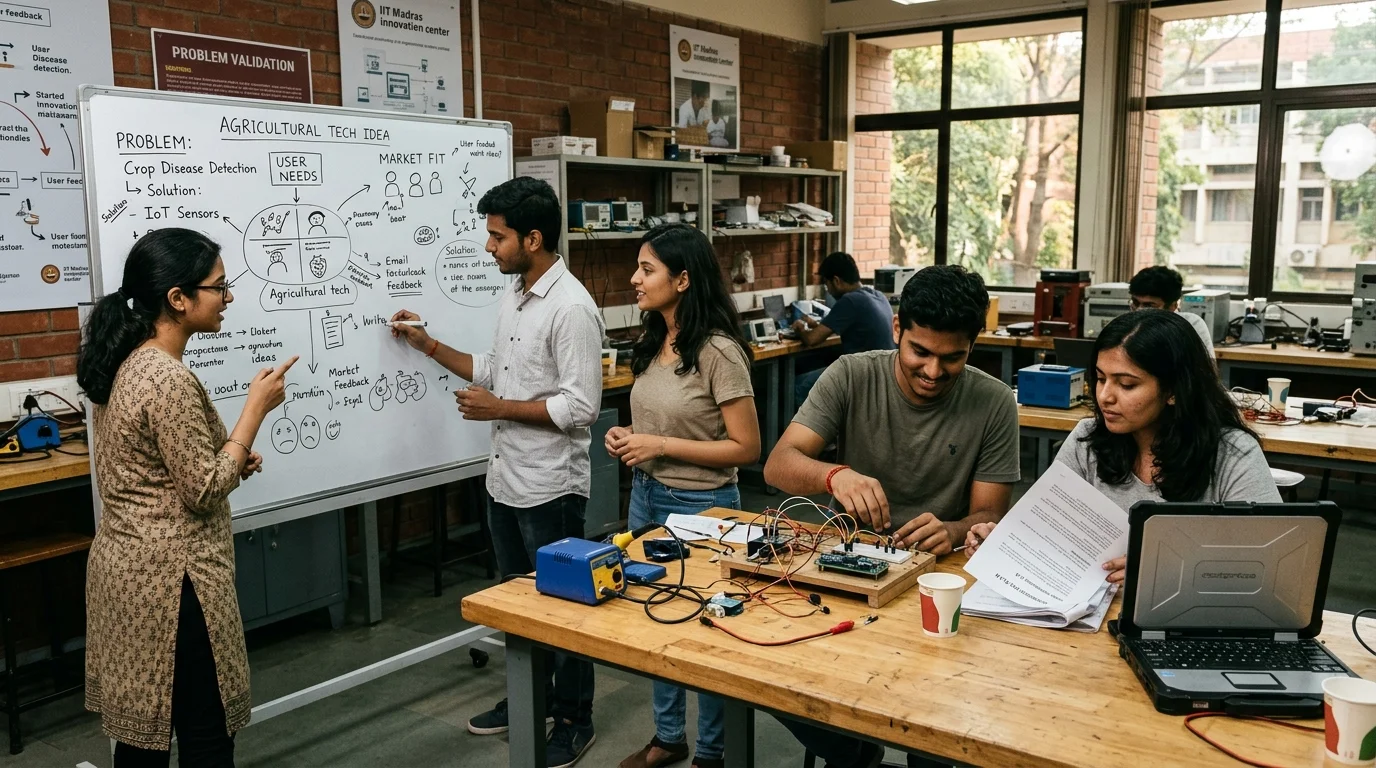
The first step is to explain your business idea in simple terms.
Ask yourself three questions:
- What problem am I trying to solve?
- Who experiences this problem?
- How will my product or service help them?
If you cannot explain the value of your idea clearly, spend more time understanding the problem.
A clear purpose provides direction for the decisions that follow.
Step 2: Identify Your Target Customers
A product designed for everyone may struggle to connect with a specific audience.
Identify the people most likely to need your solution. They could be students, working professionals, small business owners, families, or people living in a particular community.
Understanding their preferences, spending capacity, and expectations helps you develop a more relevant product or service.
Step 3: Research the Market
Before launching, examine whether similar products or services already exist.
Market research helps you understand competitors, pricing, customer expectations, and potential demand.
You can begin with simple methods such as online research, customer interviews, surveys, and observations.
The objective is not to eliminate competition but to discover how your solution can provide value.
Step 4: Create a Simple Business Model
A business model explains how a venture creates value for customers and generates revenue.
Consider these important questions:
- What product or service will you offer?
- Who will purchase it?
- How will customers discover your business?
- What will it cost to produce and deliver?
- How will the business earn revenue?
Answering these questions helps you understand whether the idea is financially practical.
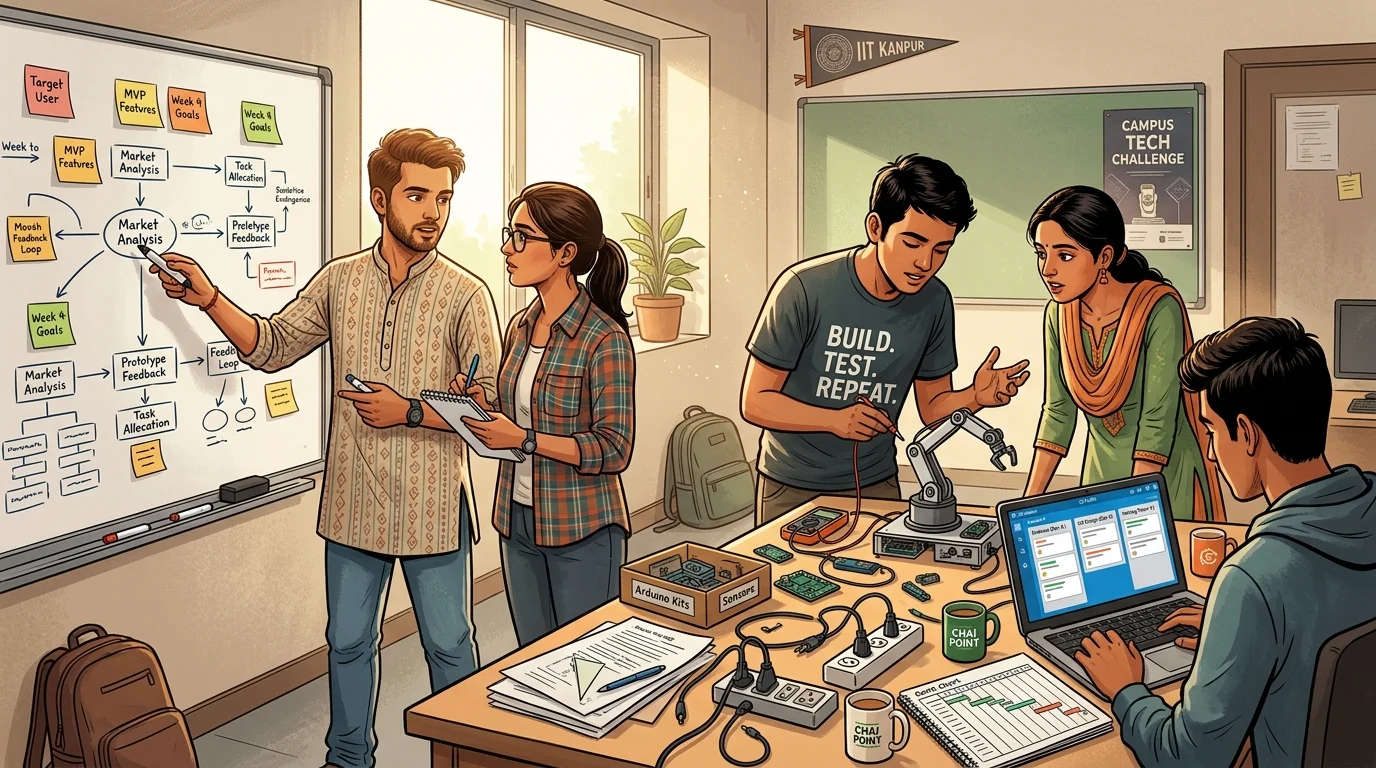
Step 5: Start Small and Test Your Idea
You do not always need to launch a fully developed business immediately.
Depending on the product or service, you can create a prototype, offer a trial service, prepare sample products, or conduct a small pilot.
Collect feedback from potential customers and observe their responses.
Testing helps you identify weaknesses early, when making changes is generally easier and less expensive.
Step 6: Learn to Manage Resources
Resources include money, time, materials, technology, and people.
New entrepreneurs should prioritize essential expenses, maintain basic financial records, and avoid unnecessary spending.
Students can also use available college resources, entrepreneurship cell activities, mentorship opportunities, and competitions to develop their ideas.
Careful resource management can help a small venture progress steadily.
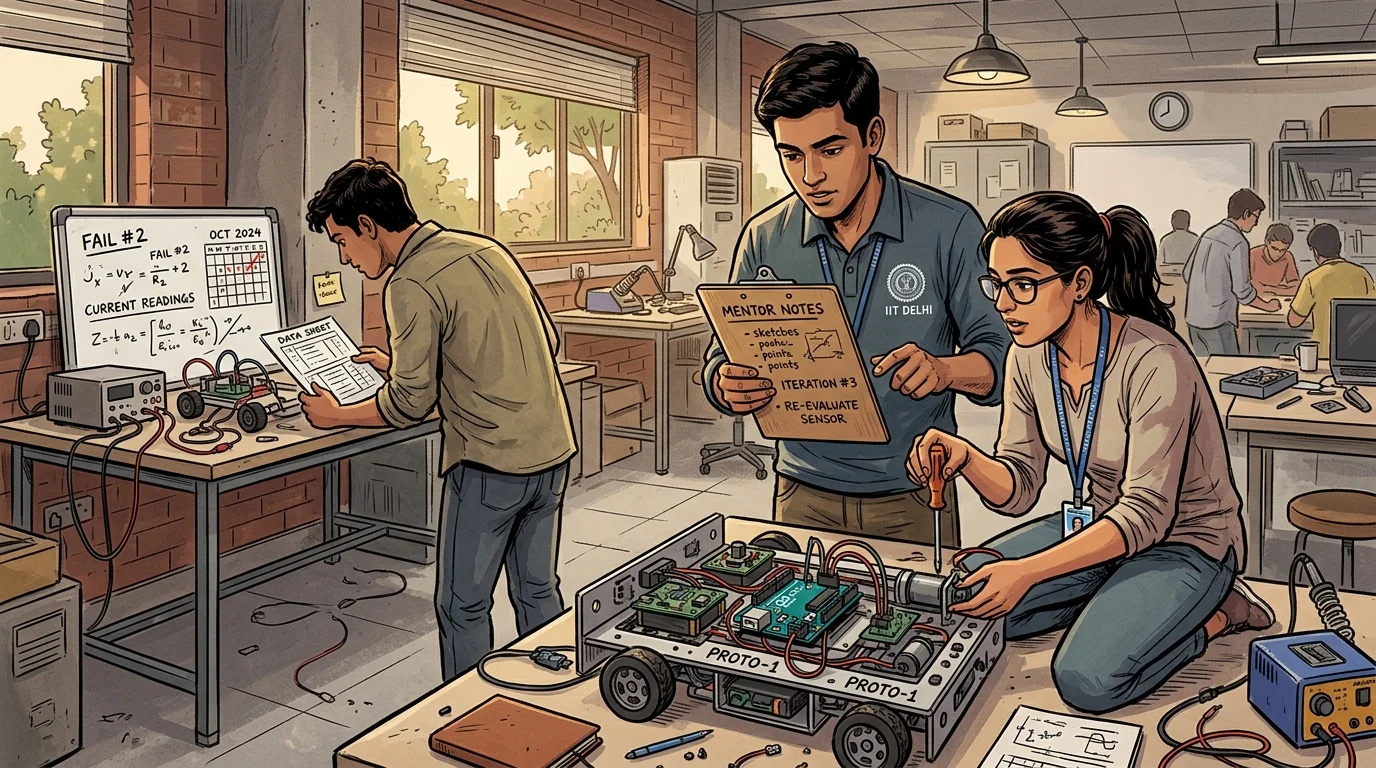
Step 7: Improve Through Feedback
Launching a product is not the end of the entrepreneurial journey.
Customer expectations may change, unexpected challenges may arise, and some strategies may not work as planned.
Successful entrepreneurs evaluate feedback, identify areas for improvement, and adapt their approach.
Progress often comes from repeated cycles of testing, learning, and improving.
Conclusion
Turning an idea into a startup does not happen overnight. It requires a clear problem, customer understanding, practical planning, resource management, and the courage to begin.
Aspiring entrepreneurs should not wait for the perfect moment or a flawless idea. Instead, they should take informed, manageable steps and learn from each experience.
Every successful venture starts somewhere. The important thing is to begin with purpose and continue with persistence.
Next Article in Series: Understanding Your Customers: The Power of Market Research →
Published by SATHAKIANZ | Team ID: NEC2631795 | Mohamed Sathak Engineering College | MSEC EDC | National Entrepreneurship Challenge (NEC) 2026