Introduction
Every successful business begins with an idea. However, not every idea becomes a successful business. The real journey of entrepreneurship begins when someone identifies a problem, develops a solution, and takes action to turn that solution into something valuable.
Entrepreneurship is not just about starting a company or earning money. It is about identifying opportunities, solving problems, creating value, and making a positive impact on society.
What Is Entrepreneurship?
Entrepreneurship is the process of identifying a business opportunity, developing a solution, organizing resources, and taking calculated risks to establish a venture.
Entrepreneurs work in various fields, including technology, healthcare, agriculture, education, food, and environmental sustainability. They recognize people's needs and develop products or services to address them.
For example, a student who notices that people around their college struggle to find affordable, healthy snacks could develop a small business offering nutritious homemade food. A simple observation can become the foundation of an entrepreneurial journey.
How Does an Idea Become an Opportunity?
An idea becomes a potential business opportunity when it addresses a genuine need and offers a solution that people find useful.
Here are five important steps:
- Identify a Problem: Observe everyday challenges faced by people in your community, college, or workplace.
- Understand Your Customers: Discover who experiences the problem and what they expect from a solution.
- Develop a Solution: Create a product or service that addresses the problem effectively.
- Test Your Idea: Collect feedback from potential customers and improve your solution before investing significant resources.
- Create Value: Develop a sustainable approach that benefits customers while allowing the business to grow.
Following these steps helps aspiring entrepreneurs move beyond ideas and begin exploring real opportunities.
Why Should Students Explore Entrepreneurship?
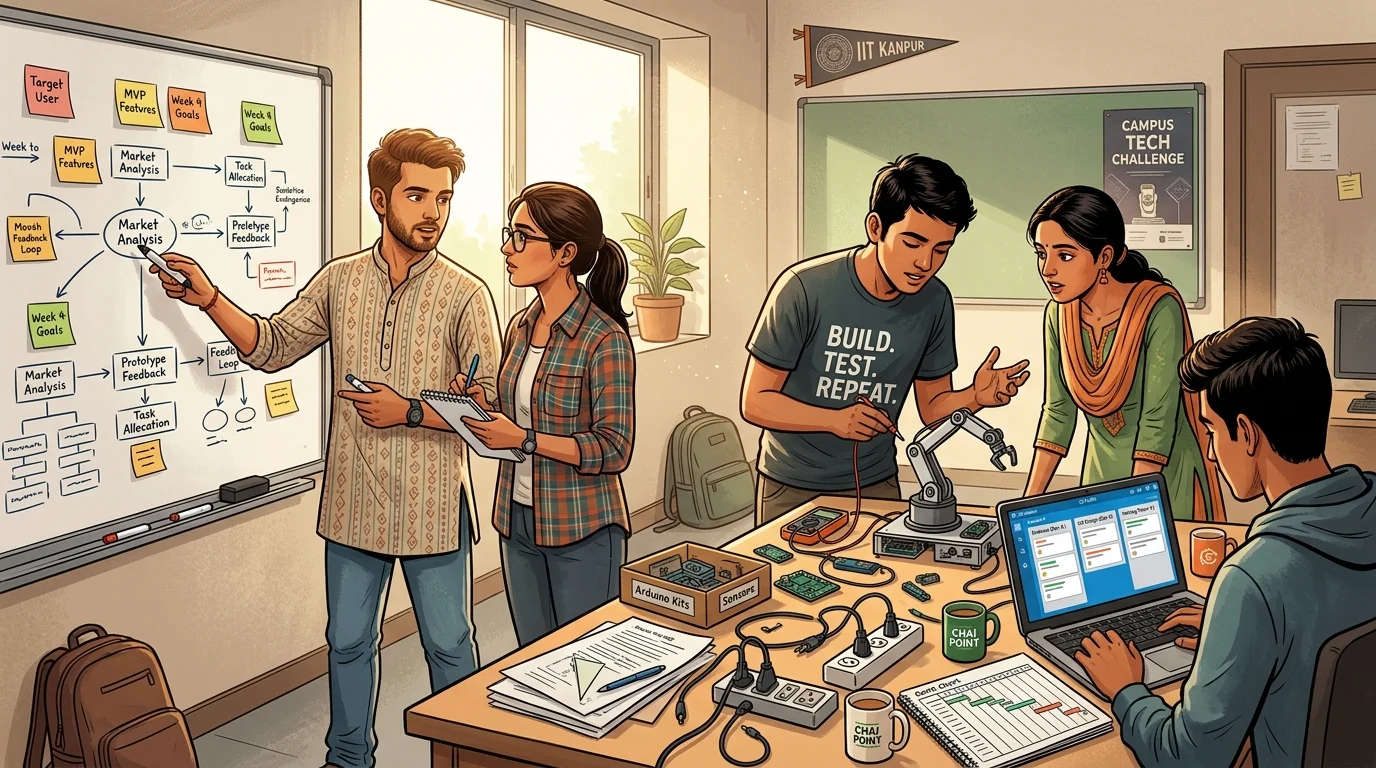
College is an excellent environment for developing entrepreneurial skills. Students can explore their interests, participate in competitions, collaborate with peers, and learn from experienced entrepreneurs.
Entrepreneurship develops valuable skills such as leadership, communication, teamwork, creativity, critical thinking, and decision-making.
Students do not necessarily need substantial funding or a perfect business plan to begin. They can start by identifying a problem, discussing possible solutions, and testing a small idea.
Entrepreneurship cells also provide opportunities for students to participate in activities, exchange ideas, build networks, and understand the startup ecosystem.
Challenges Along the Way
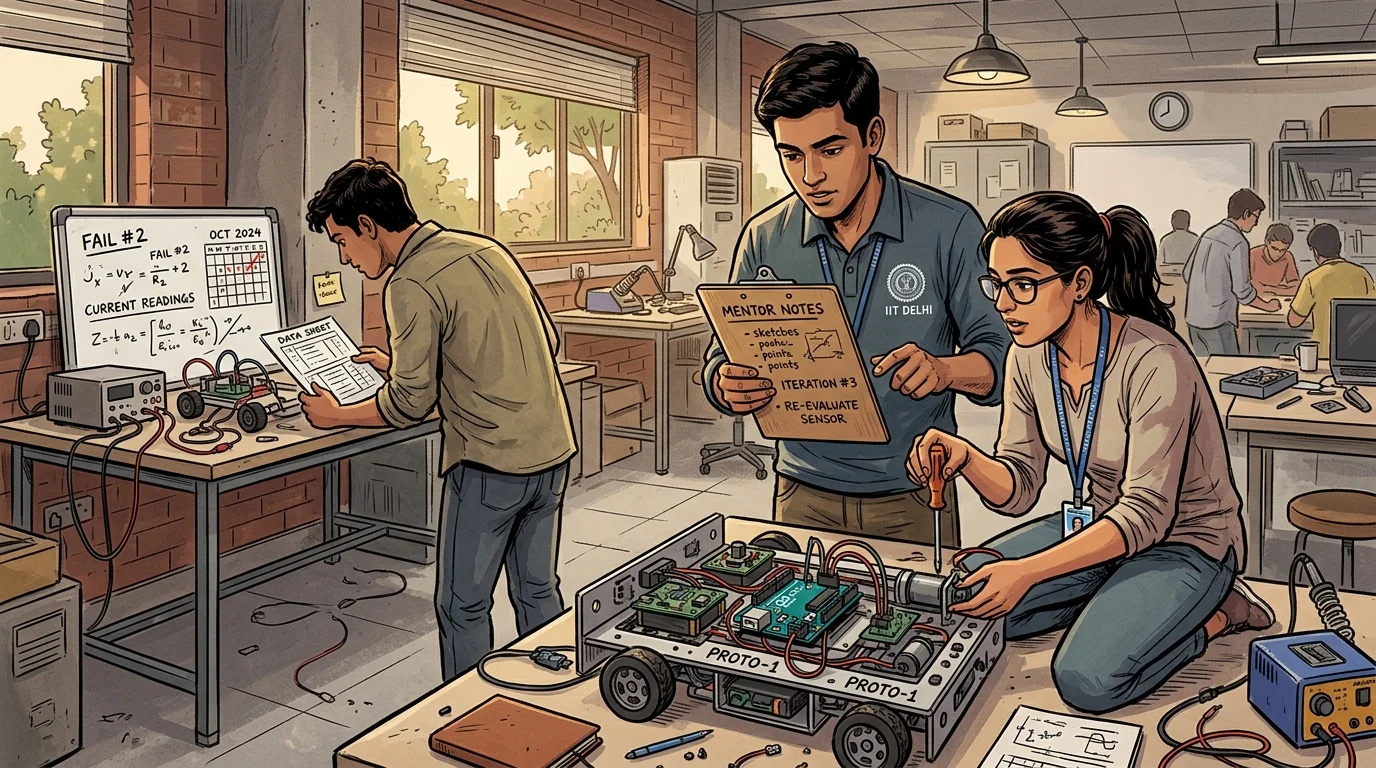
The entrepreneurial journey is not always easy. Limited funding, uncertainty, competition, customer expectations, and a lack of experience can create challenges.
However, these difficulties can become learning opportunities. Entrepreneurs who listen to feedback, adapt their strategies, and remain committed to solving meaningful problems can improve their chances of success.
The goal is not to avoid every mistake but to learn from experience and make better decisions.
Conclusion
Entrepreneurship begins with curiosity and grows through action. A simple observation can lead to an innovative solution, and a small experiment can become the beginning of a meaningful venture.
As students, we should learn to look at challenges not only as problems but also as opportunities to create value.
A great entrepreneur does not simply ask, "What can I create?" but also, "What problem can I solve?"
This is the first article in our series, From Ideas to Impact: The Entrepreneurial Journey.
Next Article in Series: Finding Problems, Creating Opportunities →
Published by SATHAKIANZ | Team ID: NEC2631795 | Mohamed Sathak Engineering College | MSEC EDC | National Entrepreneurship Challenge (NEC) 2026